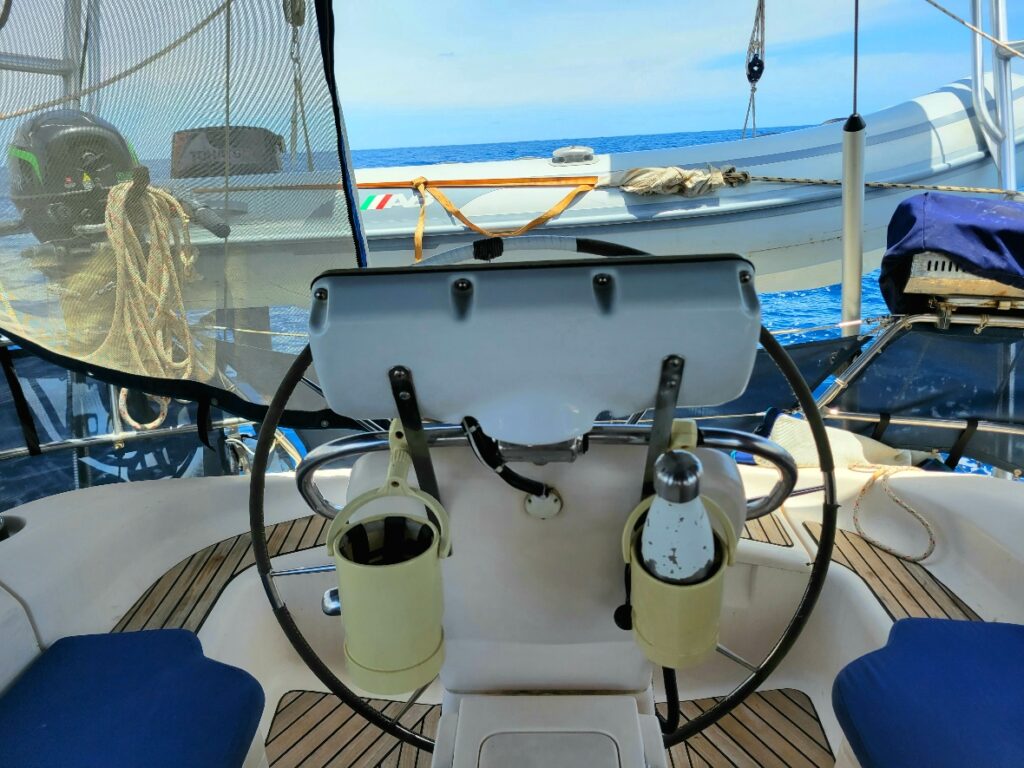
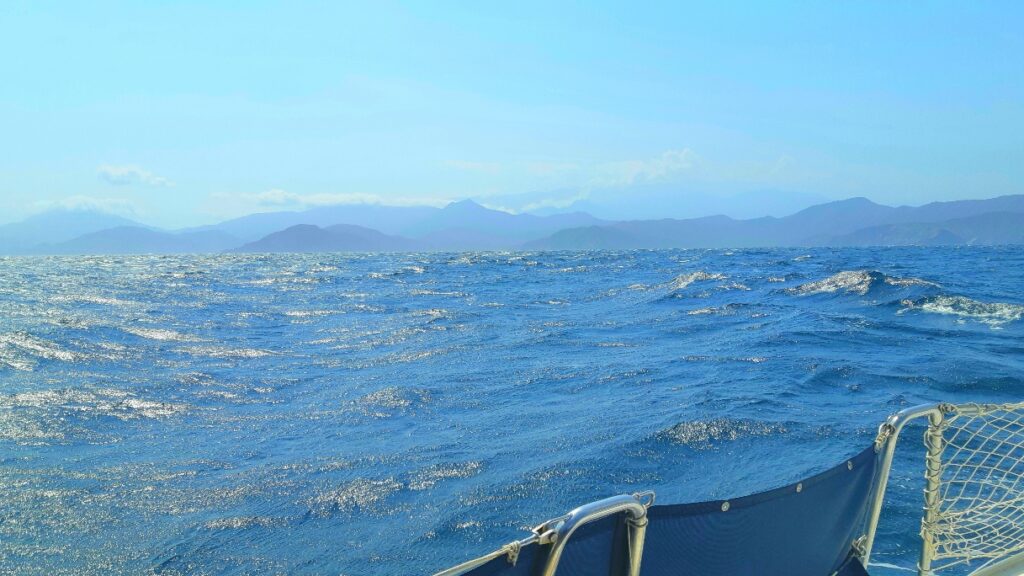
Our sail from Colombia to Panama began happily, since Brian fixed the autopilot! It was a relief knowing we would not be hand steering for the two day voyage. While that made things easier, sailing from Colombia to Panama was not a fun trip.
We love when autopilot works
It Gets Scary
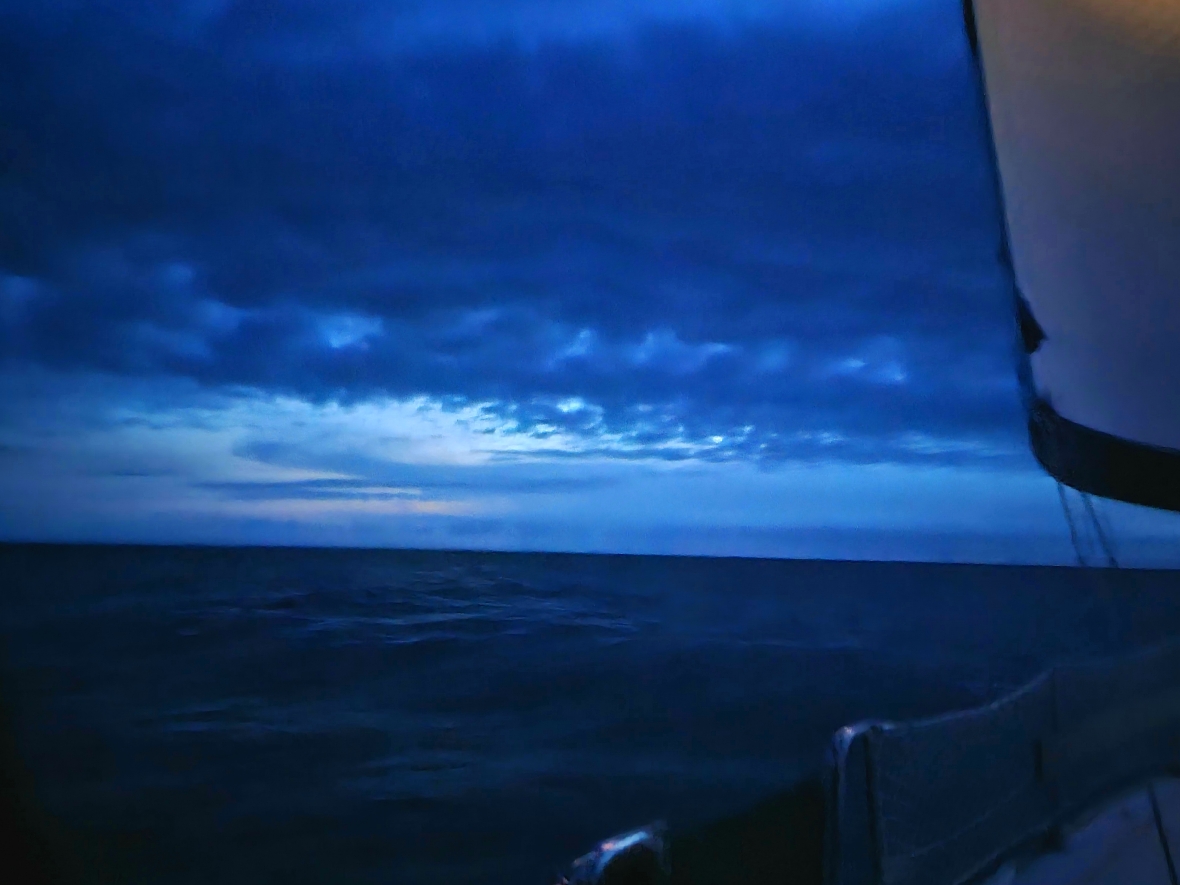
When home is a sailboat with a 65 foot high metal mast and you’re alone in the middle of the ocean, you don’t want to see lightning. A lightning storm is a nightmare. We had a very small taste in Colombia and it didn’t prepare us for the scary lightning storm our first night sailing from Colombia to Panama.
It’s rainy season in Panama and electric storms are common. We saw flashes in the sky throughout the day Saturday, but weren’t concerned. We didn’t think it would get worse. And we were wrong.
Sailing in Colombia is different from the ideal conditions in the Eastern Caribbean: trips are a lot longer and other cruiser boats not as common. Conditions can be rough, with strong winds, and navigating is challenging with incomplete charts. Because of these difficulties, some cruisers don’t stop here at all on the way to Panama, and others only visit one port: Santa Marta or Cartagena. As longtime fans of Colombia, we spent extended time in both! Here’s what our experience has been sailing in Colombia.
Colombia in the Western Caribbean
All information in this post is based on our experiences sailing the Caribbean coast of mainland Colombia. The country is vast, with Pacific coastline and occupied islands alongside Central America, which are not discussed here.
Welcome to Colombia
Arriving in Colombia on our boat was different from other sailing destinations. Colombia is so big that we saw the country a full day before we could enter a port. And the conditions are rough. Santa Marta, Colombia is infamous for heavy winds and rough seas, so much so that many sailors coming from the ABC Islands or further choose to skip the port entirely and head straight to Cartagena.
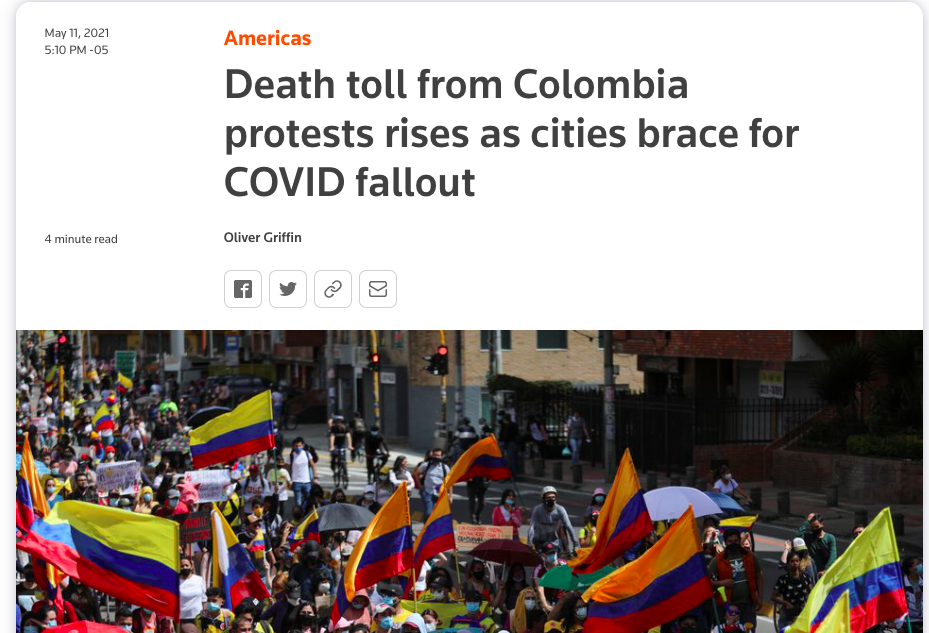
Some of our friends asked how we are faring in Colombia during these difficult times. On top of struggling to combat Covid, the country has economic troubles, and citizens are protesting the government. Don’t worry, we are okay and staying out of the fray. Here’s more details about what’s going on here and how we stay safe in Colombia.
country wide covid lockdowns
Santa Marta was our first stop, and the covid protocols tightened in our time there. When we left after six weeks, the city was shutting down and keeping people effectively locked at home for entire weekends, from Friday evening to Monday morning. Unfortunately, these lockdowns are common across Colombia, notably in the major cities like Cali, Medellin and Bogota. The reason for the lockdowns is hospital capacity. Once a city’s ICUs reach capacity or near-capacity, the city shuts down, hoping that will decrease the Covid cases.
where we are
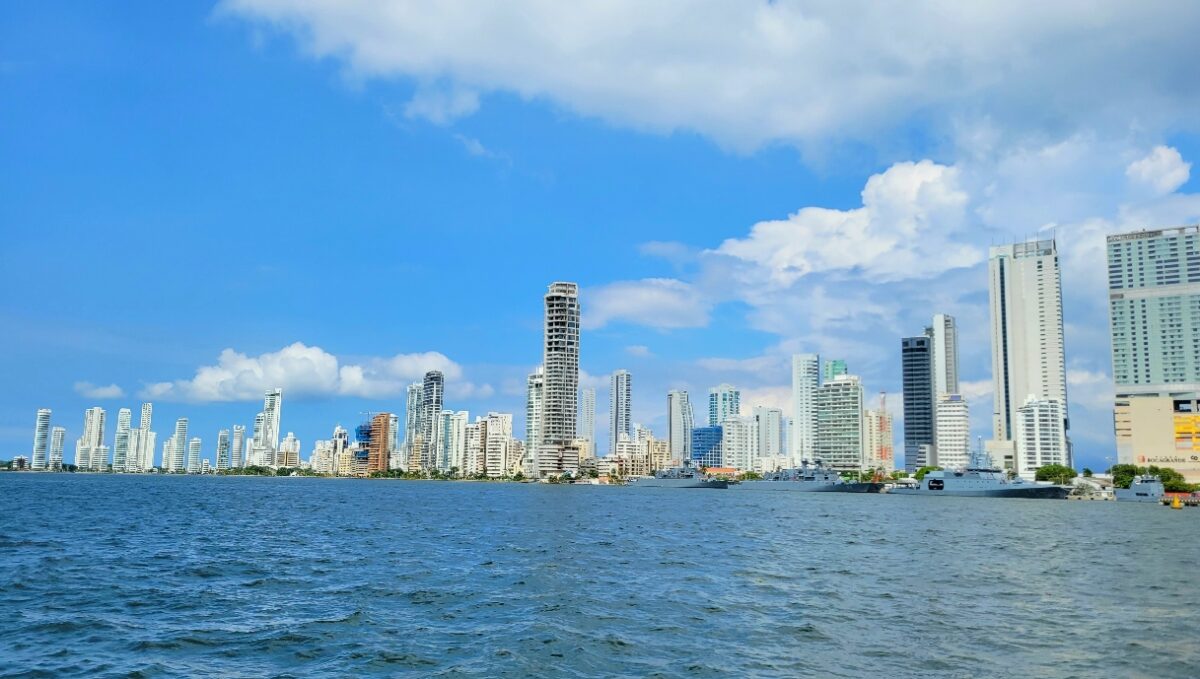
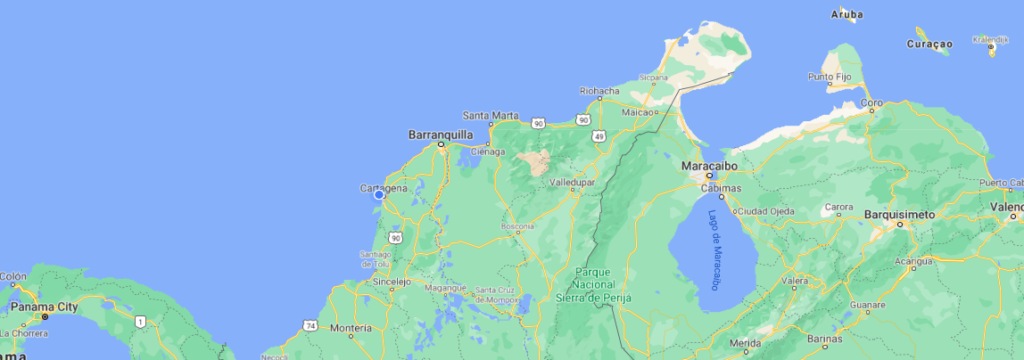
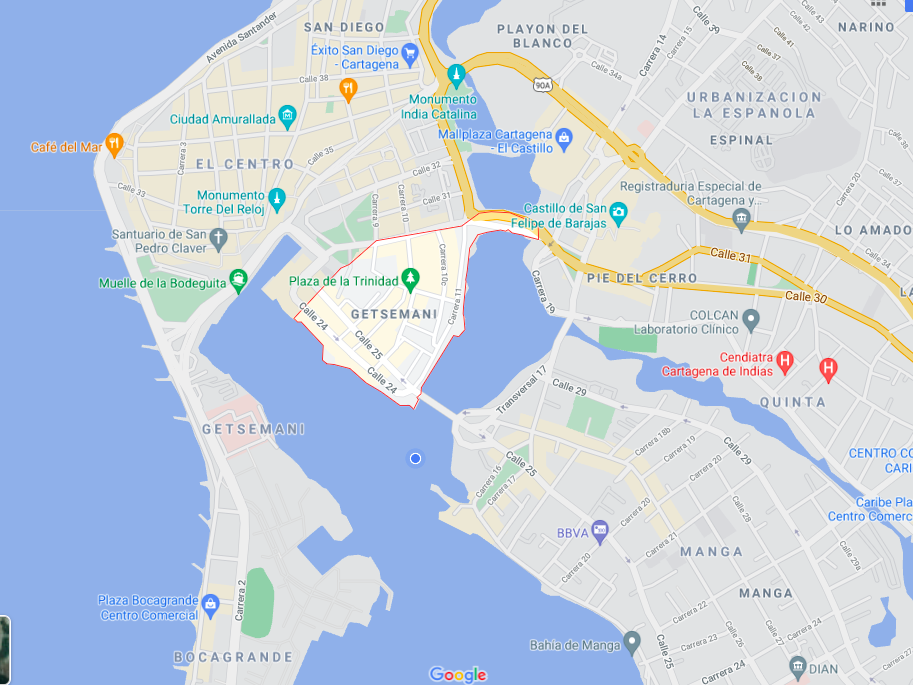
We are on Sava in a marina in Cartagena. The marina is in a residential part of town called Manga, just a short walk across the bridge to the hope neighborhood of Getsemani and a little further walk to the Old City of Cartagena. It’s a great location and we have enjoyed walking, especially in the evenings when all the locals are out getting their exercise.
Map shows Manga just south of Getsemani and east of Bocagrande, Cartagena
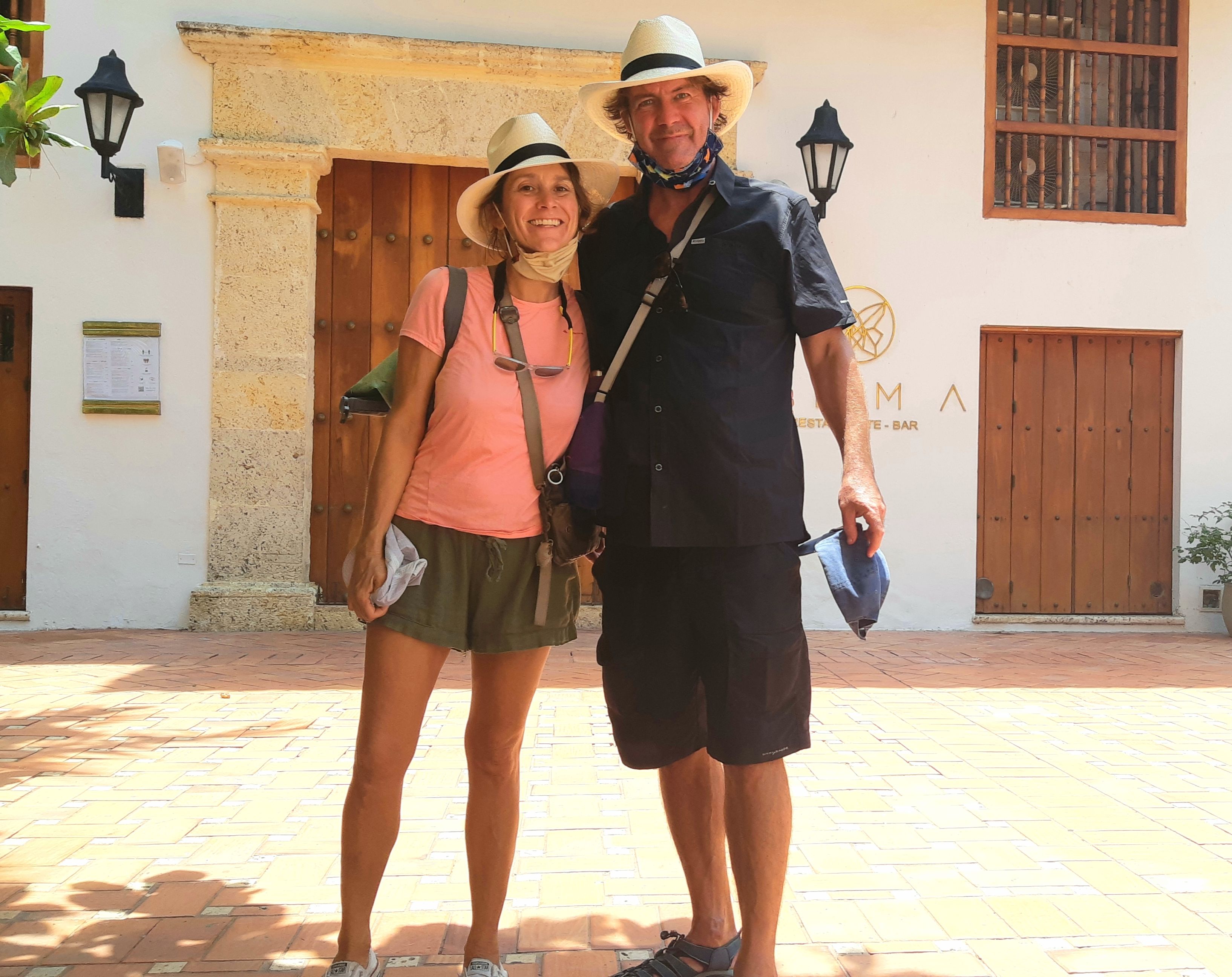
It’s strange being in Cartagena again after so long, especially during the pandemic. Usually a bustling city with multiple cruise ships in port, the UNESCO walled city is relatively empty, and the few tourists are deluged with requests to go on tours and buy trinkets. Despite the emptiness and hungry vendors, Cartagena is safe. Everyone wears masks inside and in the streets and it’s mostly business as usual.
We use cookies to ensure that we give you the best experience on our website. If you continue to use this site we will assume that you are happy with it.
You can revoke your consent any time using the Revoke consent button.