Exploring Nuku Hiva Marquesas

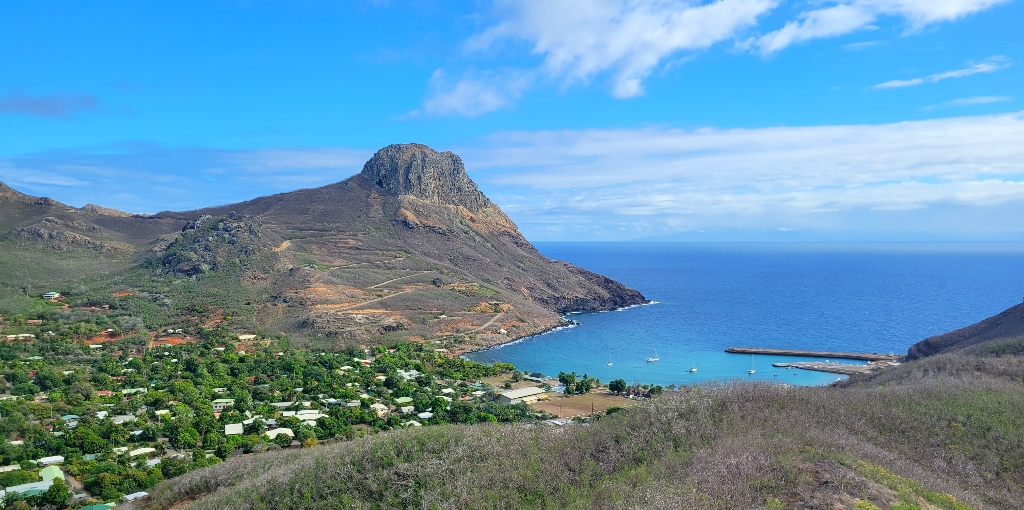
Our first stop after crossing The Pacific was Marquesas’ biggest island: Nuku Hiva. While exploring Nuku Hiva, we anchored in two different spots and drove around on a day tour. Two weeks in Nuku Hiva gave us a great introduction to French Polynesia.

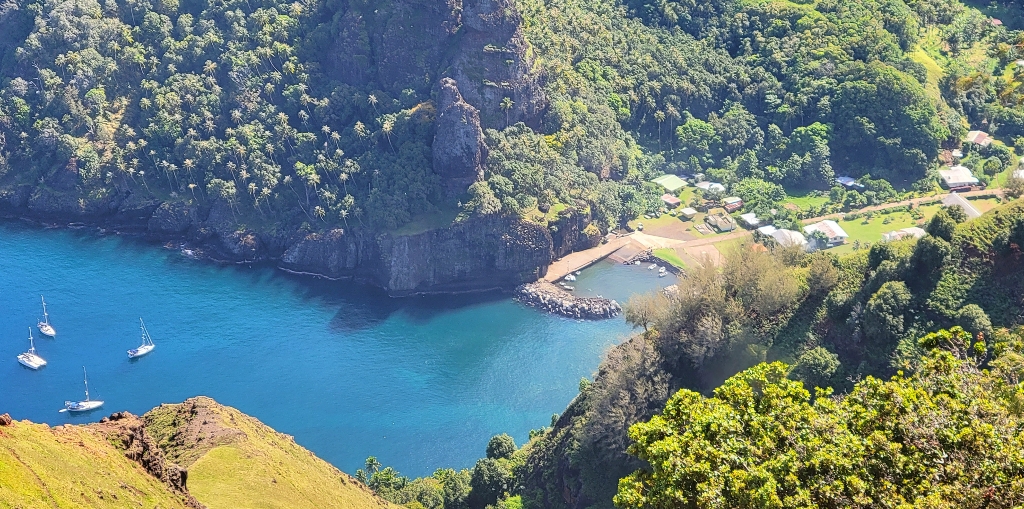
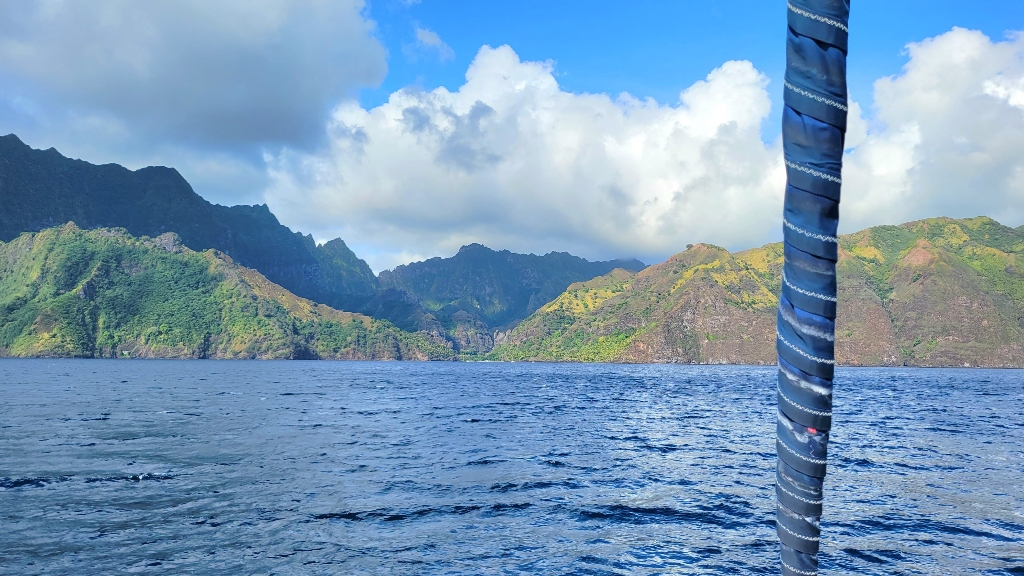
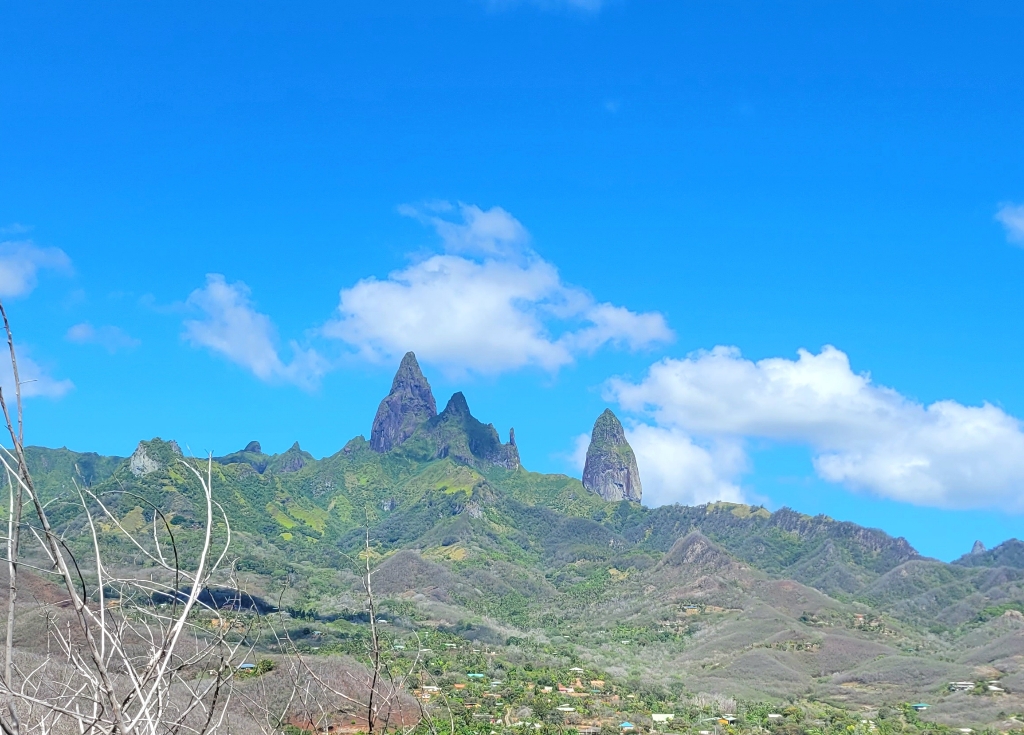
The Marquesas are impressive! The islands rise up straight out of the sea into majestic mountains. Lush green rolling hills are full of fruit trees with some of juiciest citrus we have tasted. The hiking is great and the water is warm and full of amazing sea life like mantas and dolphins. Add to that lovely people with a great culture and I love it here.

About Nuku Hiva

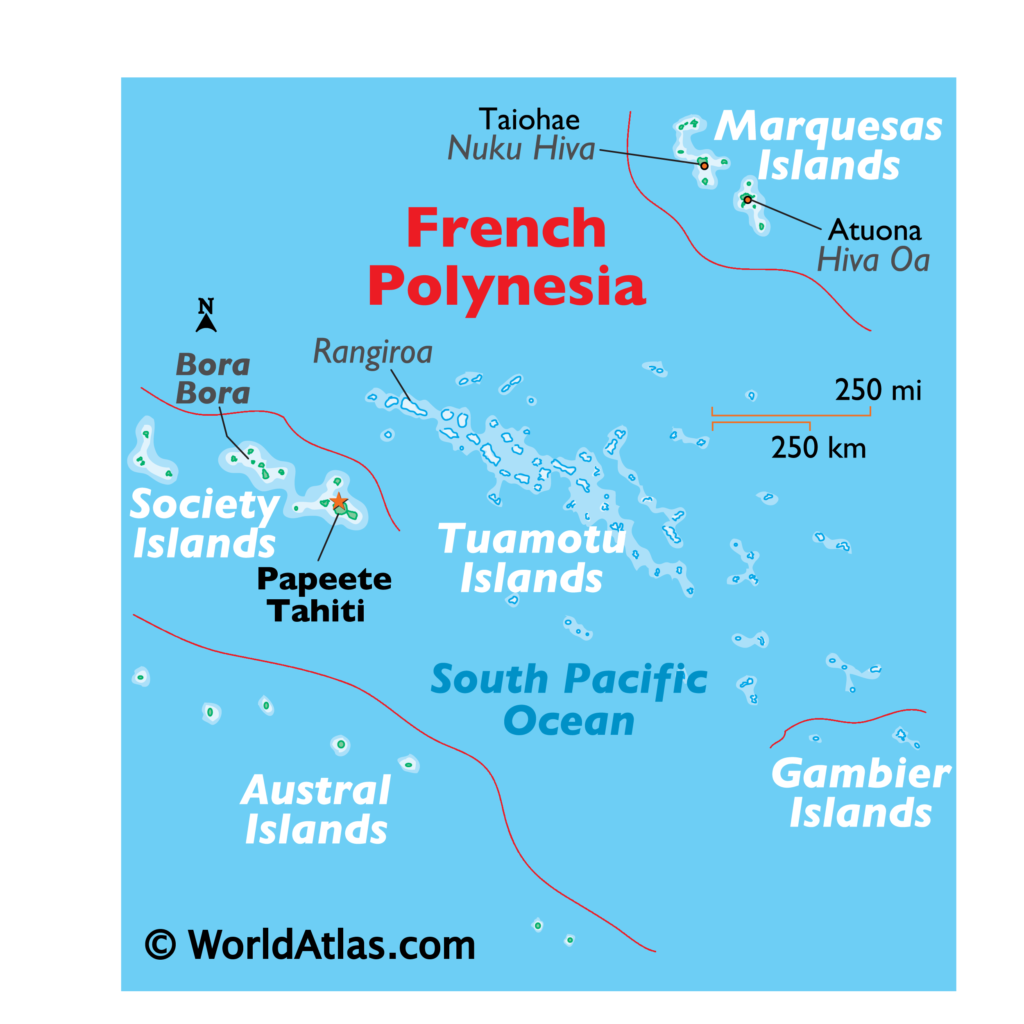
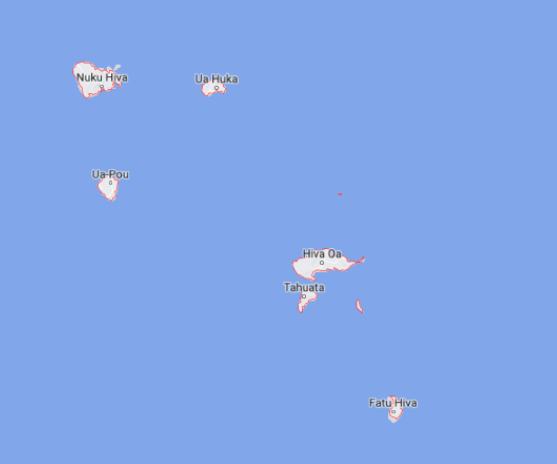
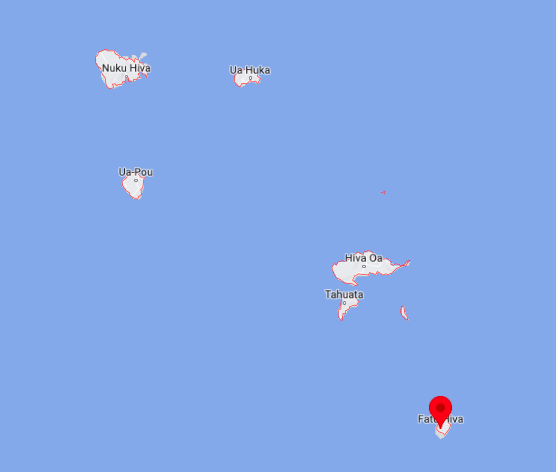
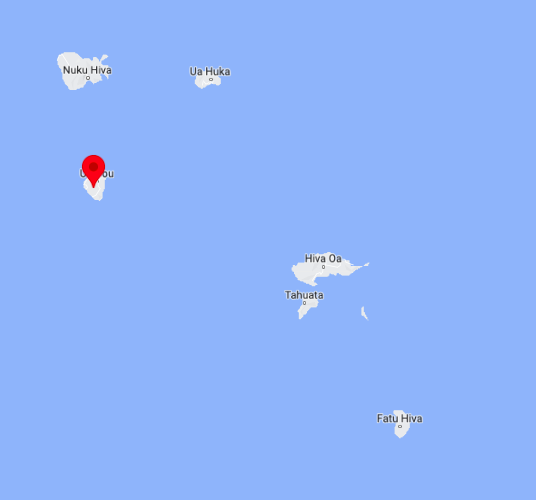
Nuku Hiva is the largest island in The Marquesas, which are a group of islands in French Polynesia. Nuku Hiva is located in the northwest of this island group.

exploring Nuku Hiva Marquesas Map
You can see Nuku Hiva in the northwest of the Marquesas

Maybe because of Nuku Hiva’s size, the government designated it as the only port to clear in since the pandemic began. So, even though it is further west and thus farther away than other ports of The Marquesas, we had to stop there first from Panama.

Continue reading “Exploring Nuku Hiva Marquesas”

Wildlife in Panama

The wildlife in Panama is amazing. In our travels around the country, we saw many monkeys, slews of sloths, and a lot of birds and marine life. Saw? We got close to lots of cool animals. Here’s what we saw and where we saw them.

Monkeys Everywhere

We saw – and heard – monkeys all over the Caribbean side of Panama. Even in populated areas, we communed with monkeys, like in Bocas del Toro when the howlers were hanging in the trees right next to the road.

Howler Monkeys hanging together in Bocas del Toro Panama
Continue reading “Wildlife in Panama”

Colombia’s Zona Cafetera Highlights

We loved Colombia’s Zona Cafetera – coffee zone- so much we returned for a longer visit five years after our first. It’s a top tourist spot for many reasons including its status as a UNESCO World Heritage site and some of the most beautiful scenery in the country. While there, we visited some of Colombia’s nicest towns and saw amazing nature and wildlife. If you’re considering a visit, read about Colombia’s Zona Cafetera highlights.

Filandia Rainbow
The scenery is beautiful in Colombia’s Zona Cafetera

Getting to the Zona Cafetera

There are many ways to get to Colombia’s Zona Cafetera, and we have done most! By air, domestic flights arrive to three separate airports (it’s a big region): Armenia in the south, Pereira central, and Manizales, north. We flew into the Manizales airport years ago from Bogota, and this time we flew out of Pereira airport back to our boat in Cartagena.

Buses are very frequent and affordable throughout the country, but I get carsick so wasn’t up for that this time. We drove from Medellin, with a stop in Jardin, and went the indirect way, which I wouldn’t recommend unless you’re adventurous, have a lot of time, and/or a four-wheel drive.

Visit the Metropolis of Manizales

A university town in the mountains with a great cable car system and nearby hot springs, we visited 5 years ago and you can read all about our fun times exploring Manizales! This is the furthest north of the Zona Cafetera and one of the three airport hubs of the region.

Stay in Salento

We stayed four nights total in this beautiful town and it was the perfect length stay for us. Salento features a variety of restaurants and accommodations and is an ideal base for touring Colombia’s Zona Cafetera highlights.

Salento town Colombia
Pretty Salento has lots of hills

Salento is charming. With a beautiful town square and well-maintained colorful buildings, it’s a pleasure to stroll the streets, although keep in mind, it’s built into a hill so it gets tiring.

Continue reading “Colombia’s Zona Cafetera Highlights”