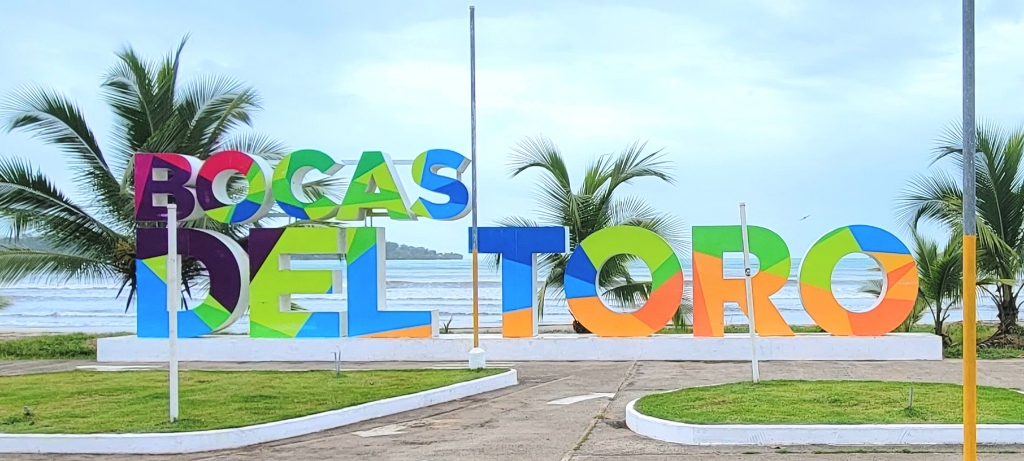
We spent longer than expected in Panama’s Bocas del Toro archipelago, mostly because of the community and activities. Also because we waited to get new lithium batteries. In all we stayed in Bocas for three months because there’s a lot to enjoy, so here are our Bocas del Toro favorites.
Beaches
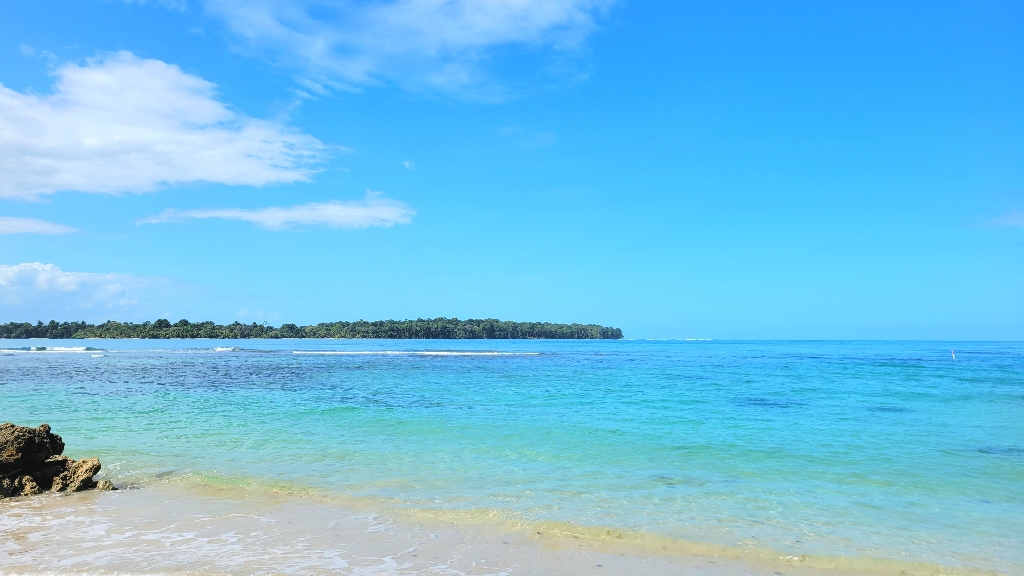
With a lot of different islands in the Bocas, there are also a lot of beaches. Not 365 beaches like in Antigua, but a good assortment with options for all different beach goals. There are more remote beaches with fewer people, like Wizard Beach on Bastimentos, busy party beaches like at Red Frog, lots of surfer beaches across the islands, and Starfish has a whole row of beach bars. Bocas del Toro will satisfy anyone’s beach day requirements.
Since we started living aboard Sava in 2018, we’ve wanted to visit the San Blas islands. Small islands in pristine Caribbean waters, barely inhabited except by friendly people living off the land, and protected reefs you are only allowed to snorkel and free dive, the San Blas Islands sounded like a dream, and in many ways it was. It took us much longer than we thought to get there, but we did, spent 2.5 weeks, and had lots of adventures in the San Blas islands!
About The San Blas Islands
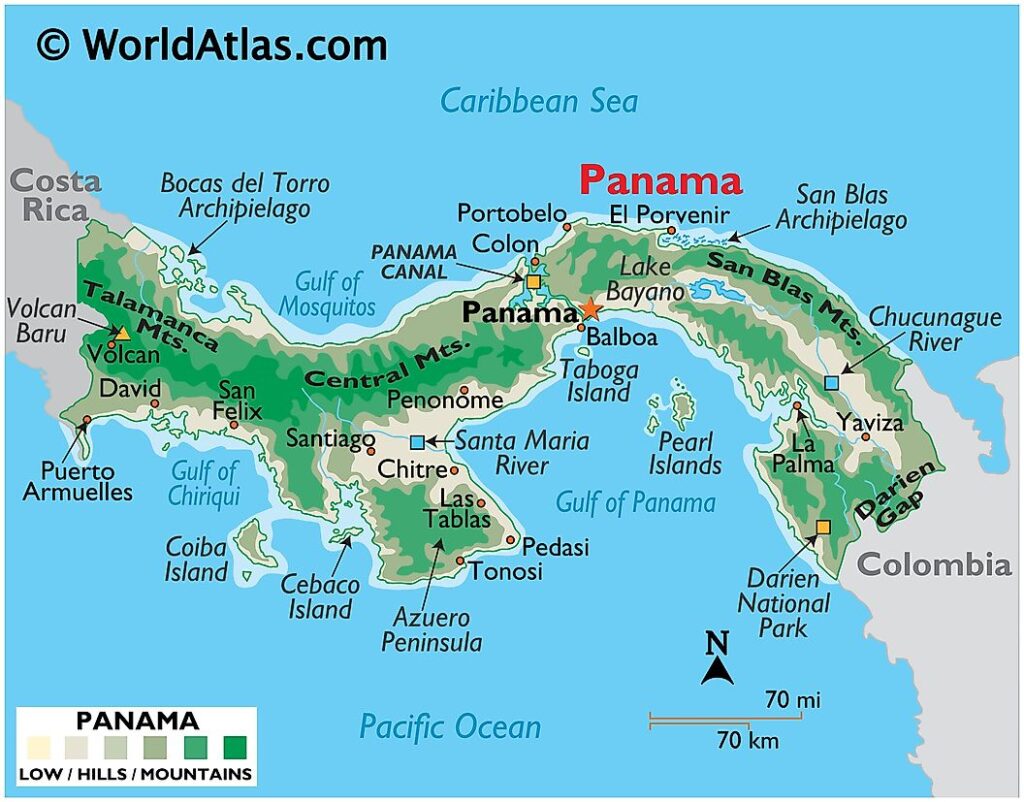
Panama Map with the San Blas archipelago
The San Blas Islands is an archipelago of 365 islands in the northeastern Caribbean of Panama. Occupied and governed by the Kuna/Guna people, less than half of the islands are inhabited. You may also hear them called the Guna Yala islands for their residents. The San Blas are one of Panama’s top vacation destinations because of their natural beauty in the Caribbean sea.
So yes, you can visit and stay in the islands: in hostels, resorts, or on a boat. Close enough to major cities that you can also do a fun day trip to visit the San Blas Islands! We are lucky to bring our home with us and moved around the San Blas over our 2.5 week visit.
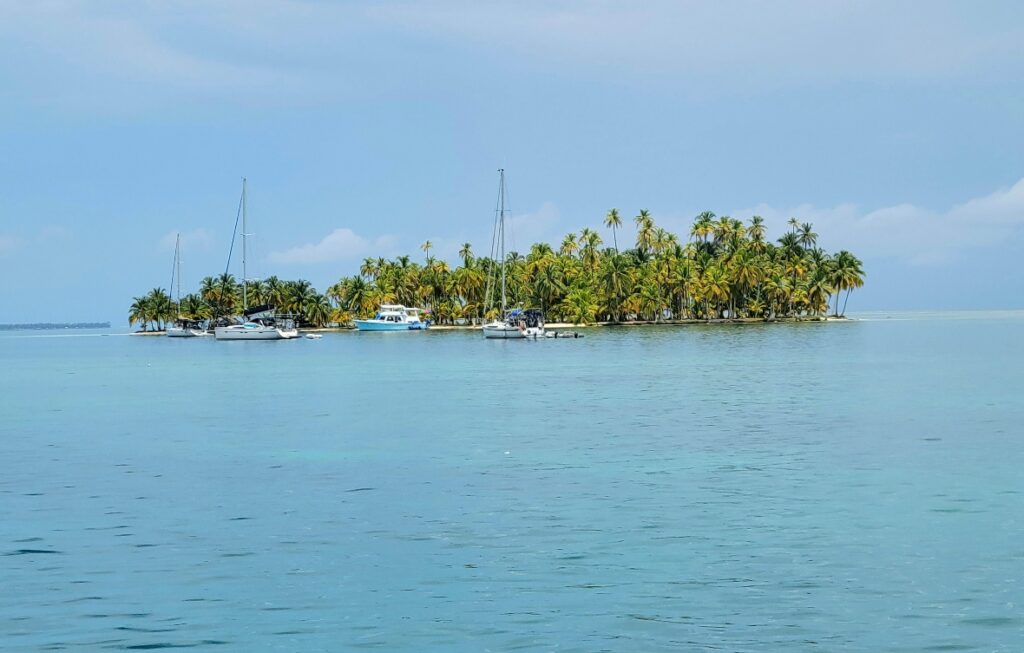
Boats at anchor in The San Blas
Beautiful Anchorages
One of the best things about sailing in the San Blas islands is the assortment of beautiful anchorages. Everywhere we stopped had clear water, gorgeous skies, marine life, and tropical islands to admire from afar or walk along. Anchoring in this paradise wasn’t free: twice we were visited by tribe officials who charged us for use of the waters. Additionally, residents ask for small fees for visiting the beaches or building bonfires. No complaints, as it wasn’t that expensive and is worth it for visiting such lovely places far from the crowds.
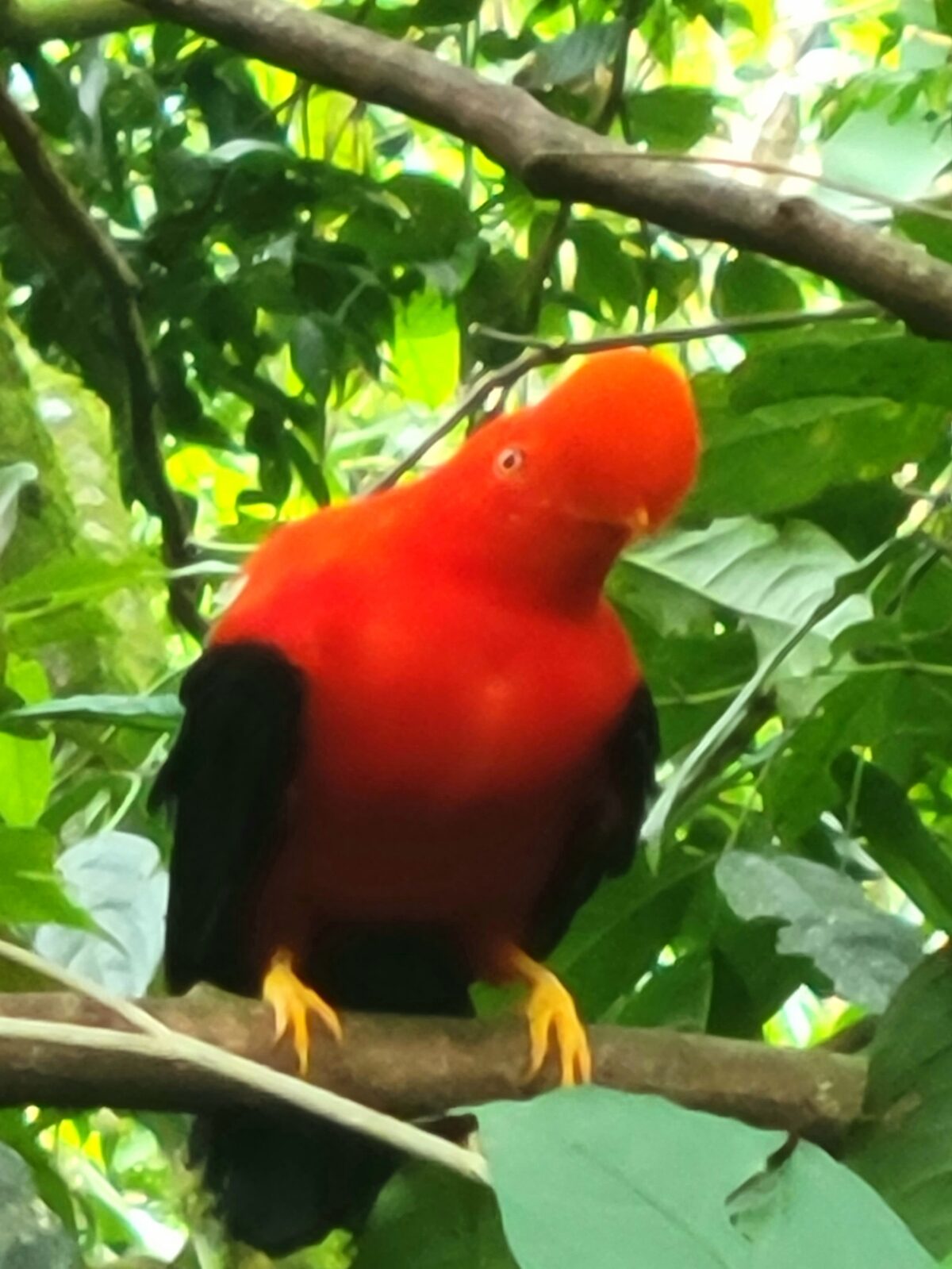
Colombia has some of the world’s most dangerous animals. Jaguars, poisonous frogs, spiders, and snakes are all endemic to this country. The fourth largest country in South America, Colombia has Atlantic and Pacific Coastlines, the Amazon, and the Andes mountains, so it’s no surprise its animals are diverse and plentiful. We’ve been to a few different parts of the country and seen a wide variety of animals of Colombia, many that were new to me, and some in strange places.
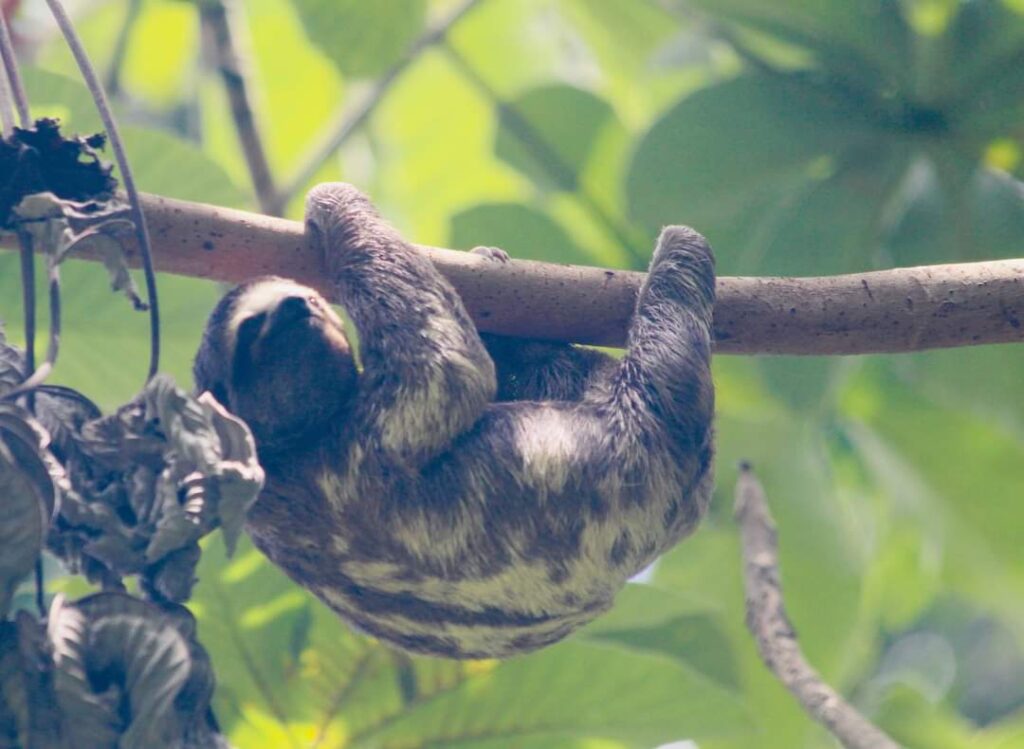
Sloths
I love sloths and was so excited to see them in a public park in Cartagena. They aren’t always easy to spot but when they are I can watch them do nothing all day. Which is pretty much what they do. In addition to the local Parque Centenario, we also spotted sloths in the beautiful Cartagena botanical gardens outside of the city.
We use cookies to ensure that we give you the best experience on our website. If you continue to use this site we will assume that you are happy with it.
You can revoke your consent any time using the Revoke consent button.